Story
Cinnamon, Ceylon and the pastel de nata
How a spice from Sri Lanka ended up on Portugal's favourite pastry.
By Aurora TropicsPublished Updated
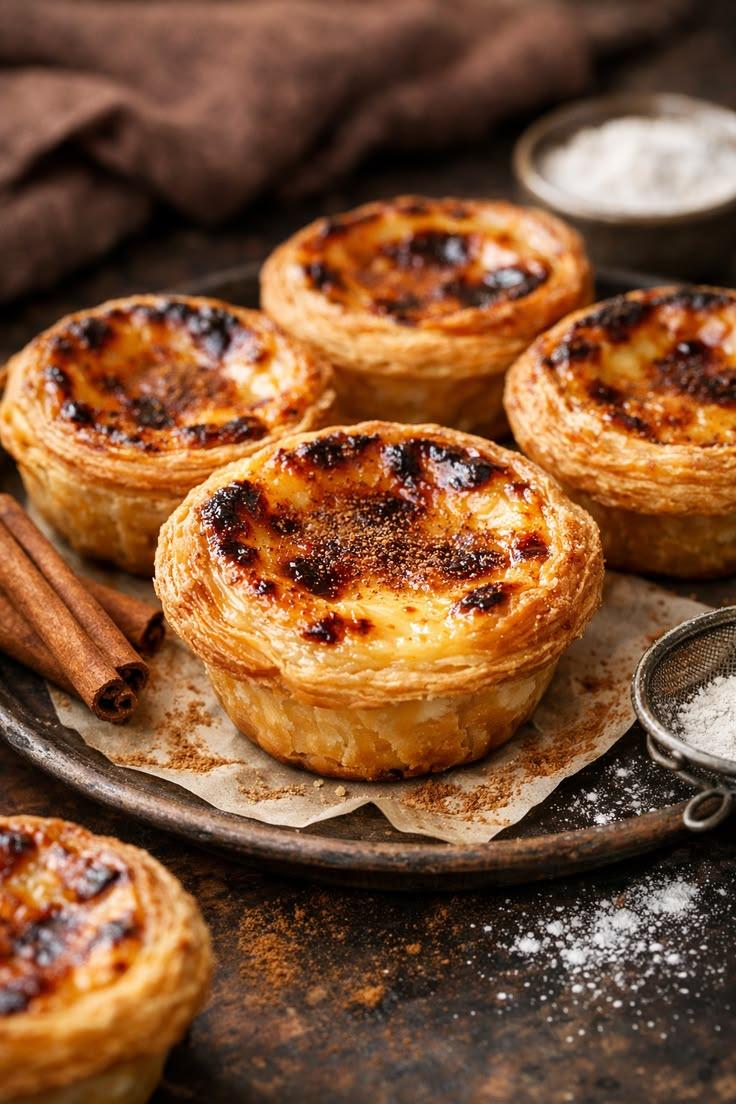
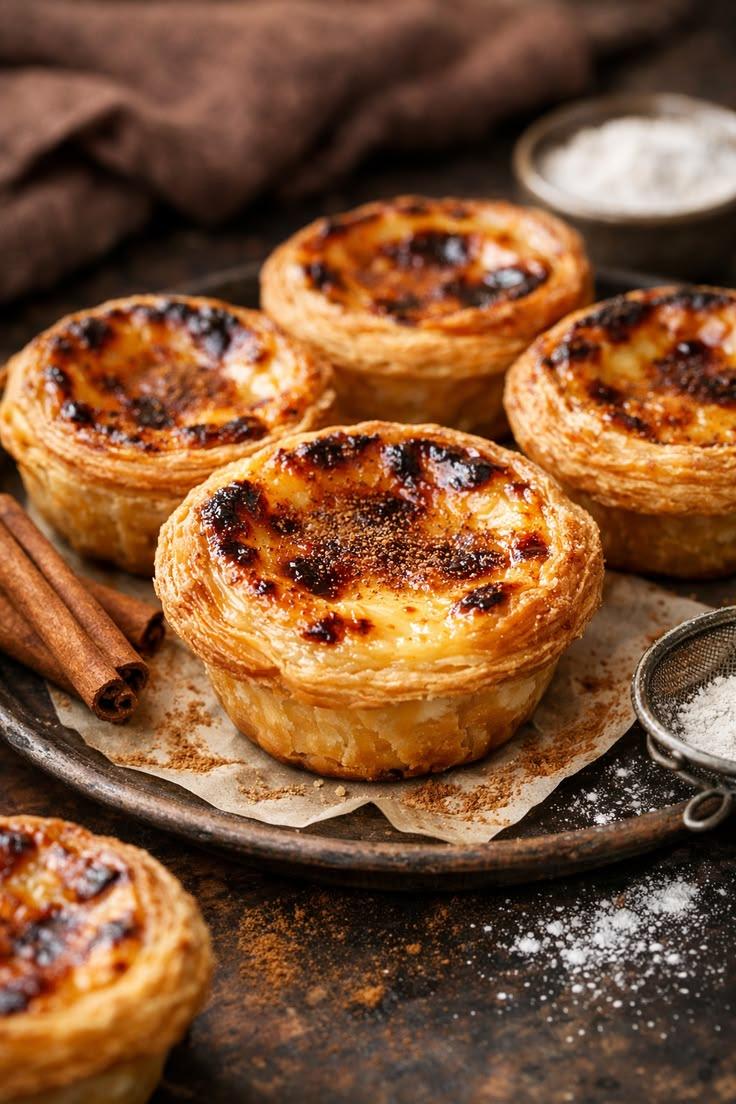
Order a pastel de nata anywhere in Lisbon and someone will slide two shakers across the counter: icing sugar and cinnamon. Most people reach for the cinnamon without thinking. Very few know where it started.
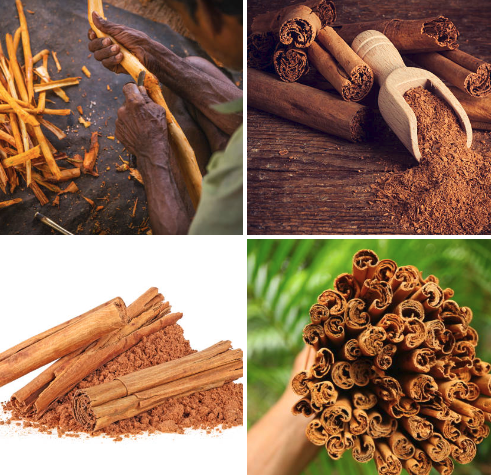
Portuguese ships reached Ceylon, today Sri Lanka, in 1505. The island grew the finest cinnamon in the world, the true bark of Cinnamomum verum, thin and sweet and nothing like the harder cassia sold elsewhere. For more than a century it was one of the most valuable cargoes that sailed back to Lisbon.
The spice crossed the ocean and stayed. It went into kitchens, convents and, much later, onto every pastel de nata.
Cinnamon worked its way into Portuguese cooking slowly: rice pudding, sweet breads, convent sweets made with egg yolks and sugar. By the time the pastel de nata became a Lisbon fixture, a dusting of Ceylon cinnamon on top felt like it had always been there.
What did not make it
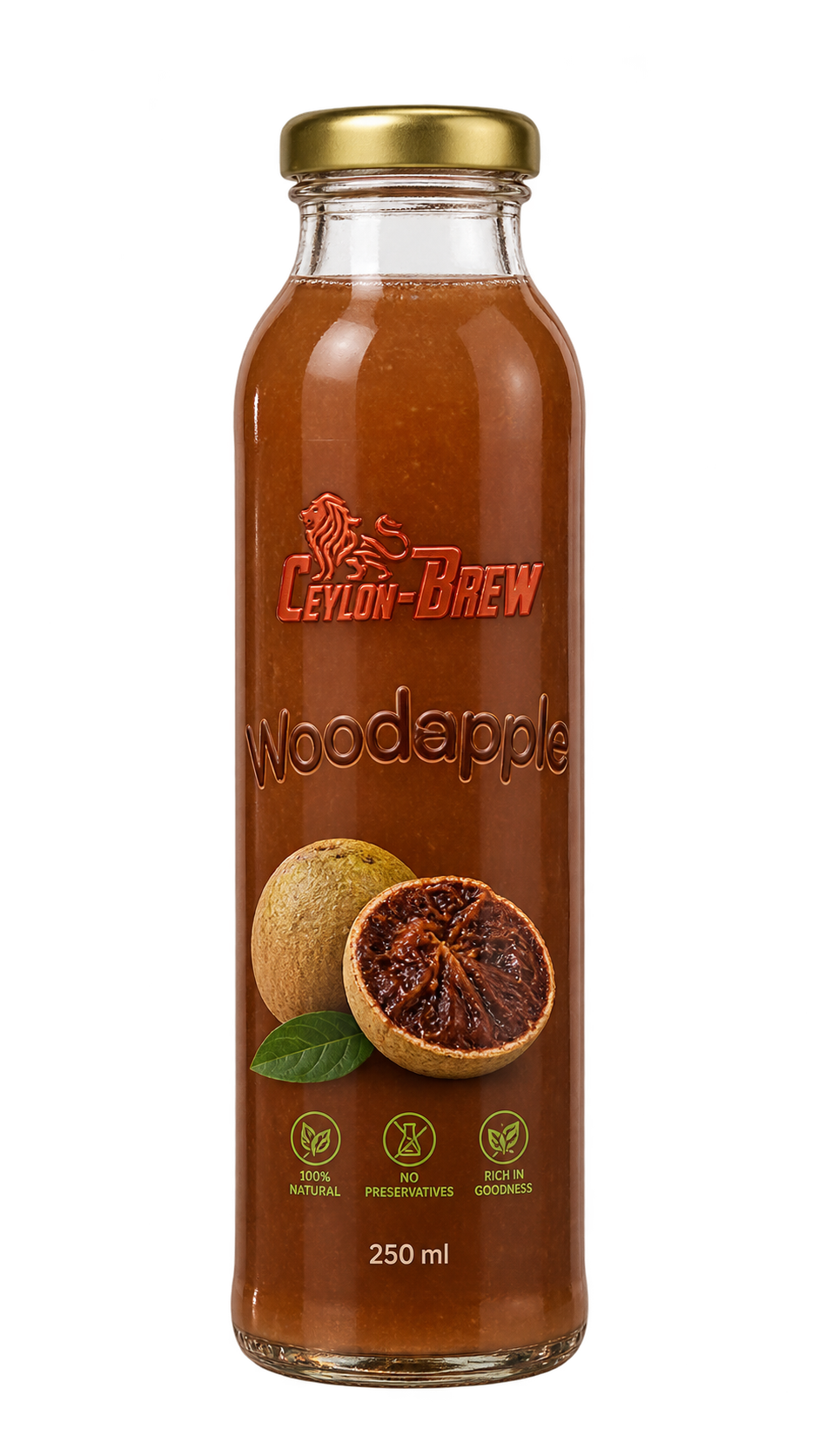
The ships carried spice because spice keeps. The fruit the sailors ate on the island did not. Soursop, mango and wood apple rotted in the hold long before Lisbon. That is the gap we started Aurora Tropics to close.
Questions about this post
Where does the cinnamon on a pastel de nata come from?
From Ceylon, today Sri Lanka. Portuguese ships reached the island in 1505, and its cinnamon was one of the most valuable cargoes to sail back to Lisbon for more than a century.
What is the difference between Ceylon cinnamon and cassia?
Ceylon cinnamon is the true bark of Cinnamomum verum: thin, sweet, and rolled from the inner bark, layer inside layer. Cassia, sold in many other places, is harder.
When did the Portuguese reach Sri Lanka?
In 1505, when Portuguese ships reached Ceylon, as the island was then called.